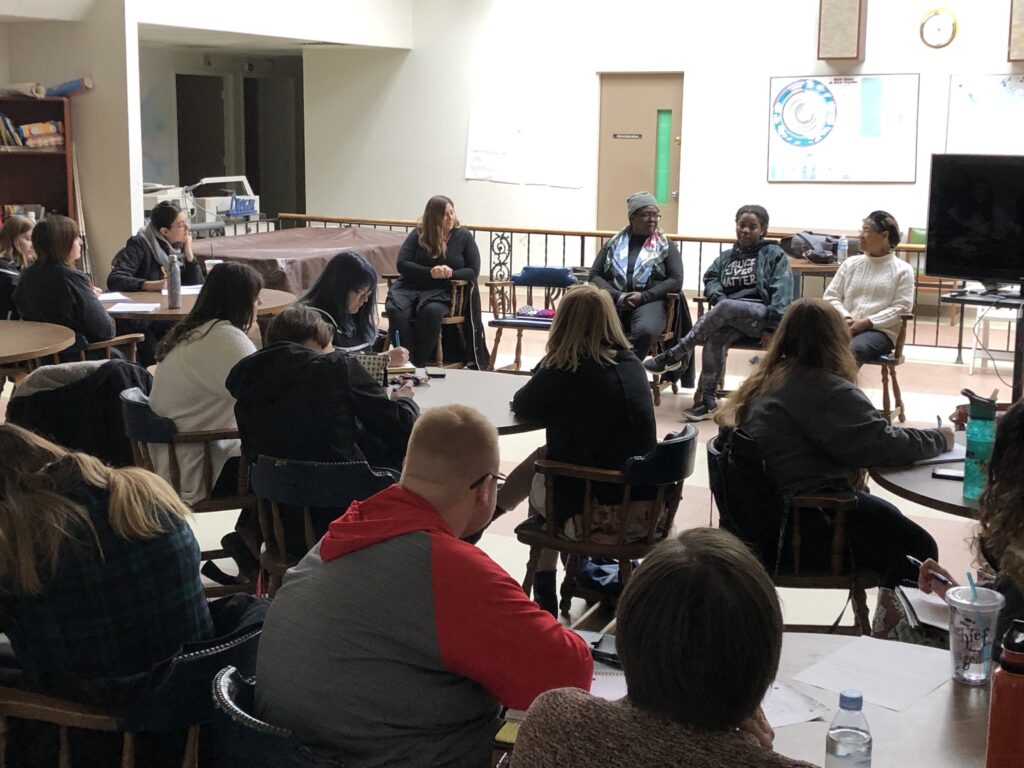
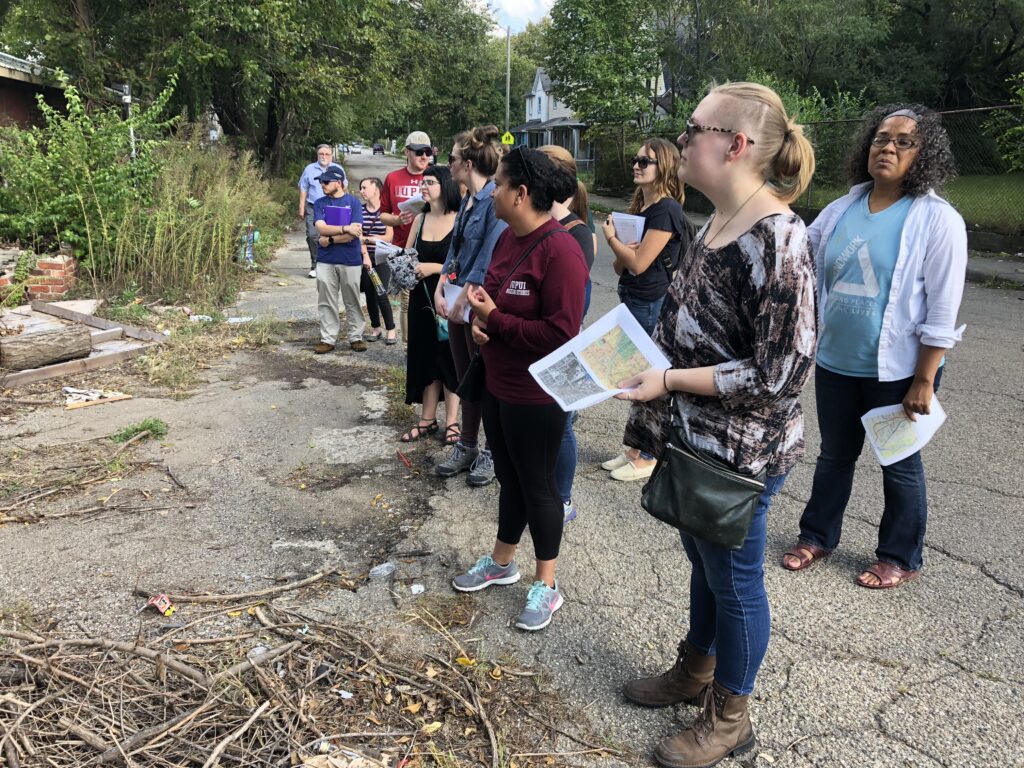
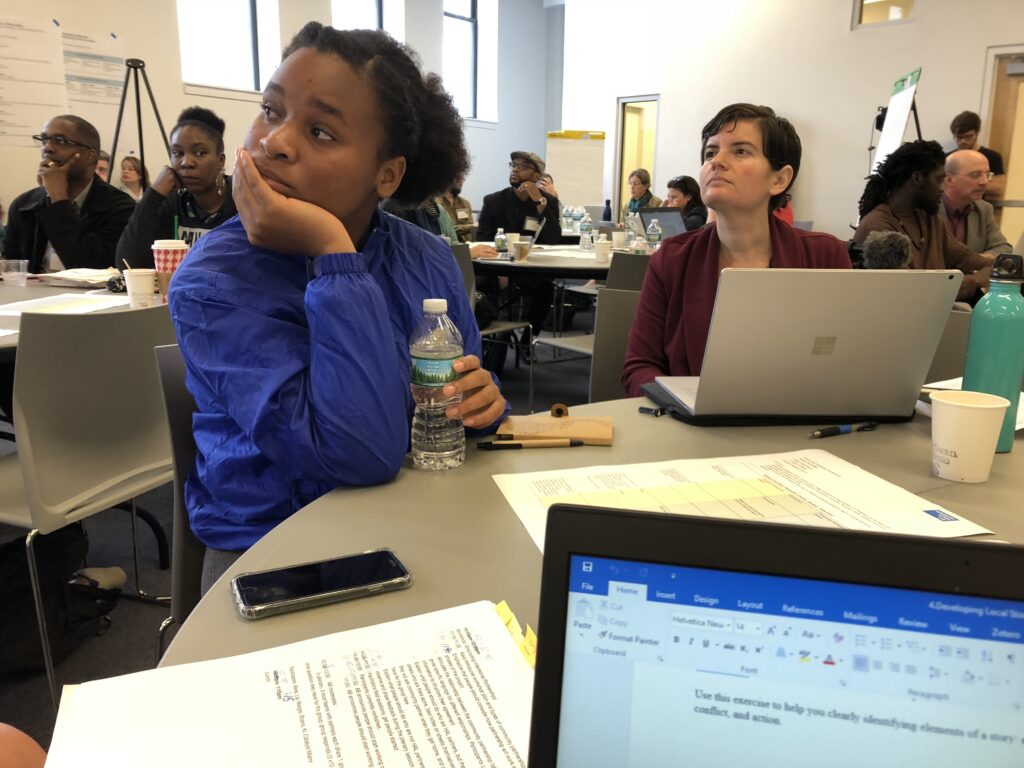
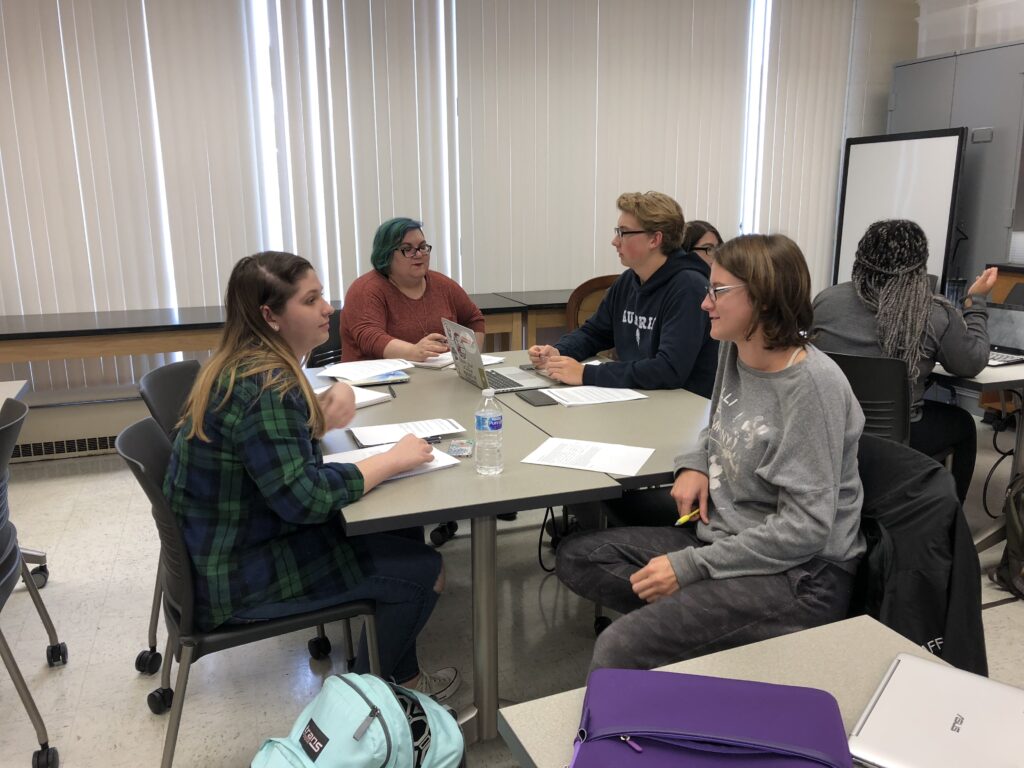
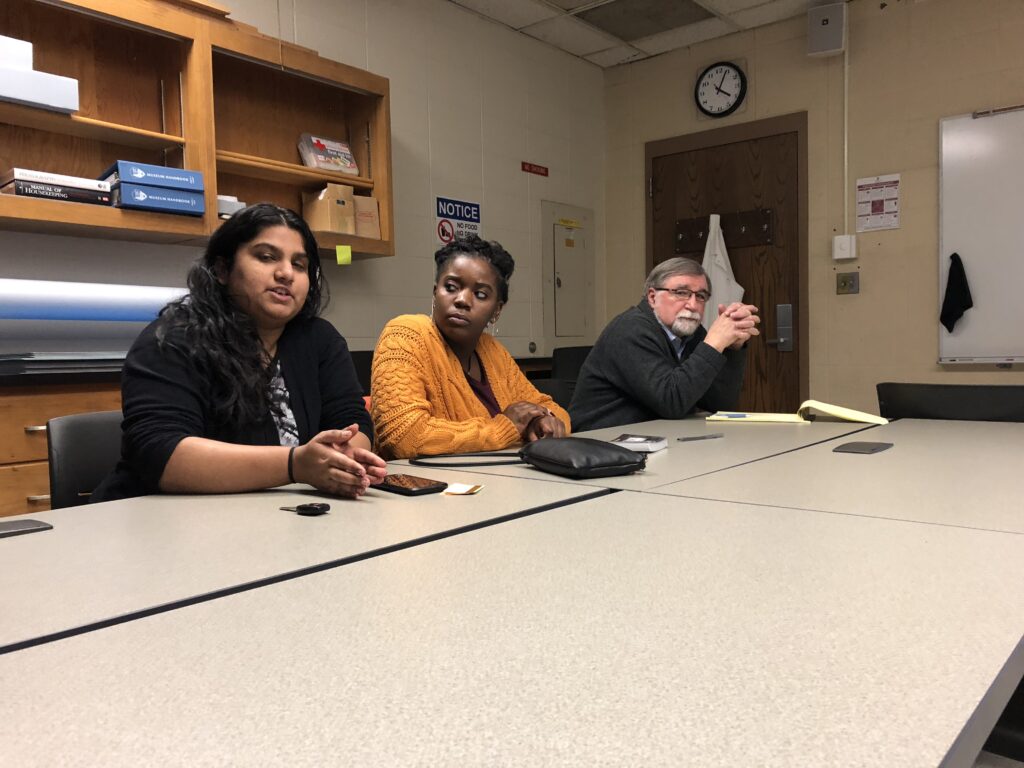
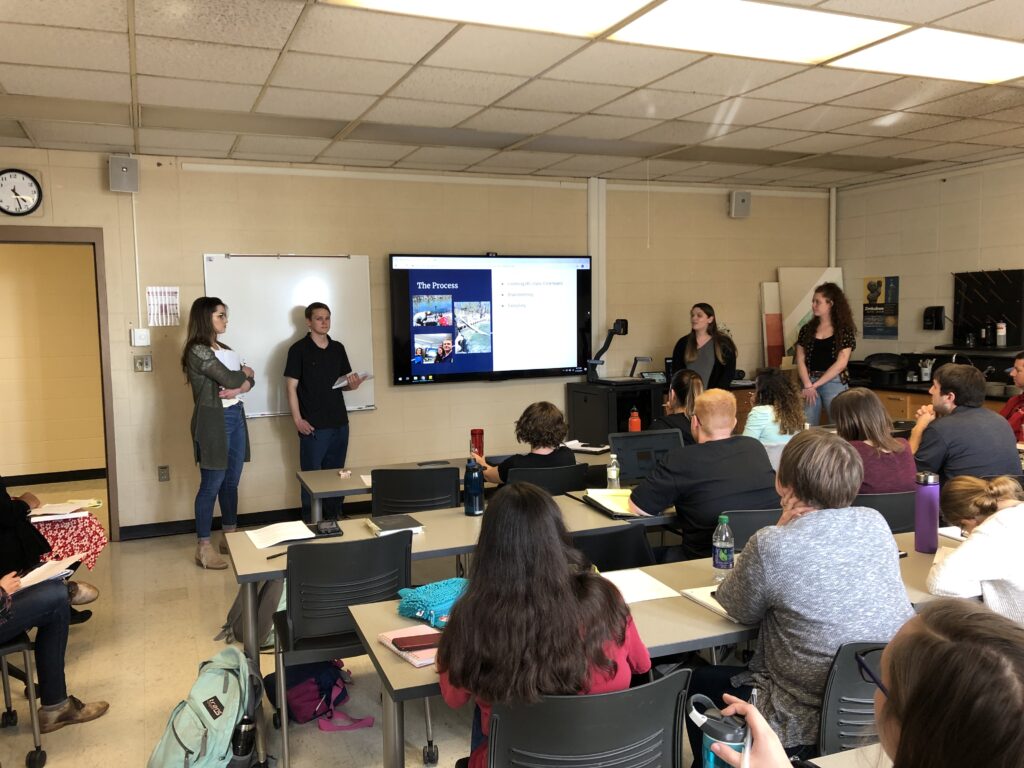
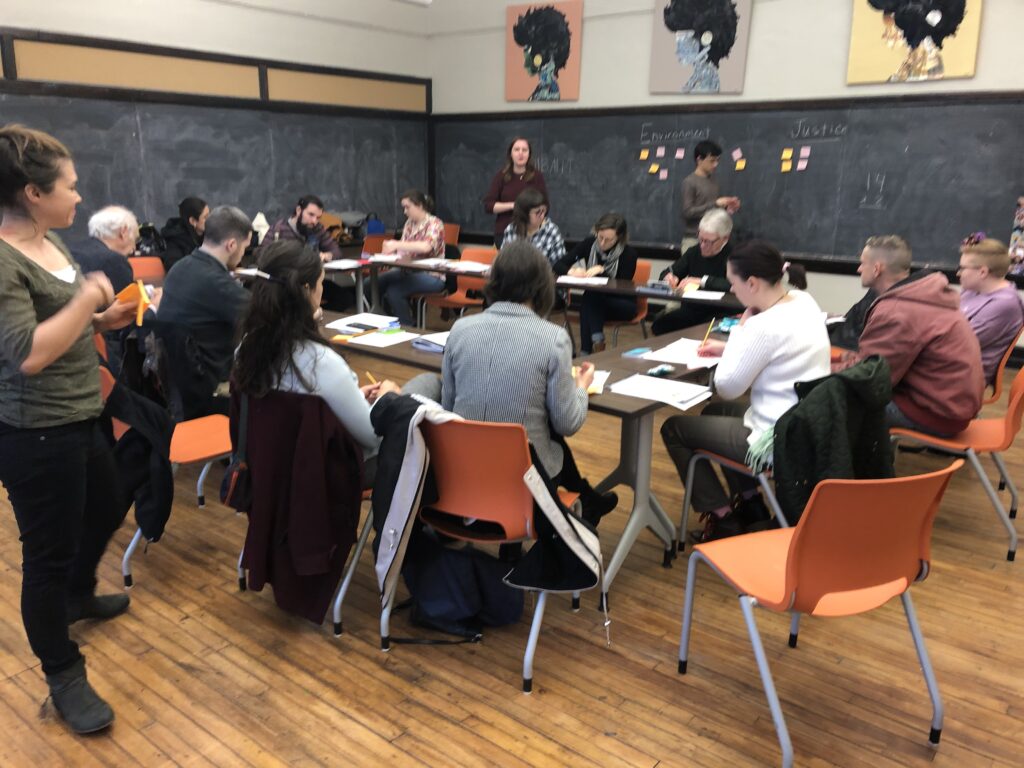
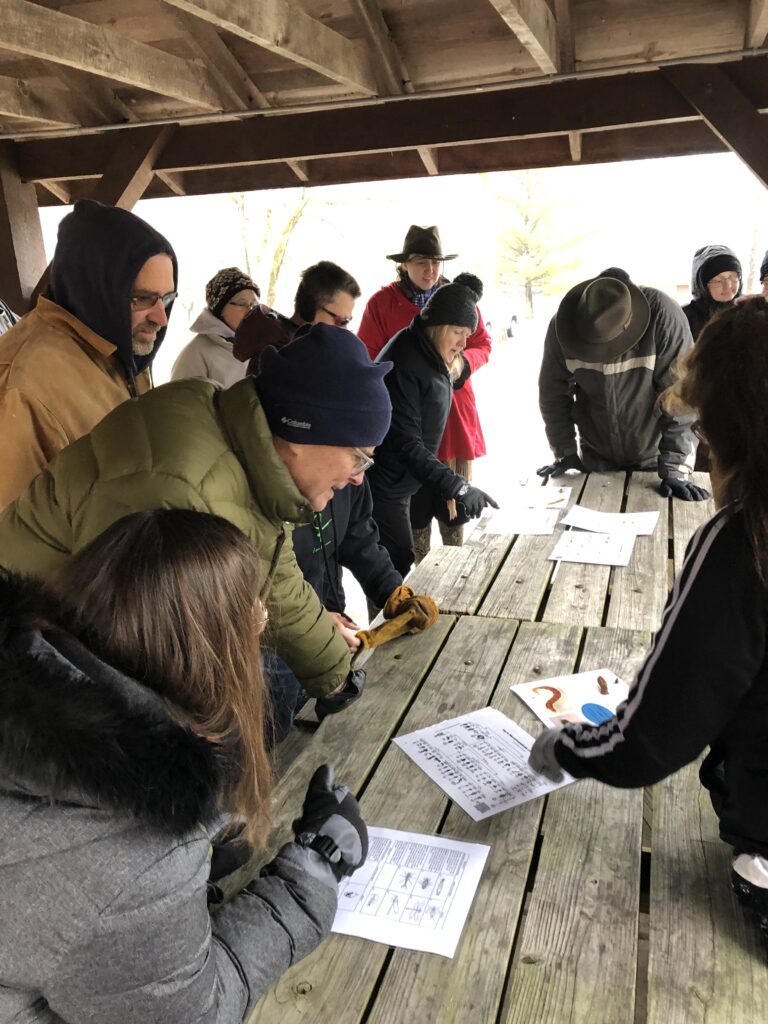
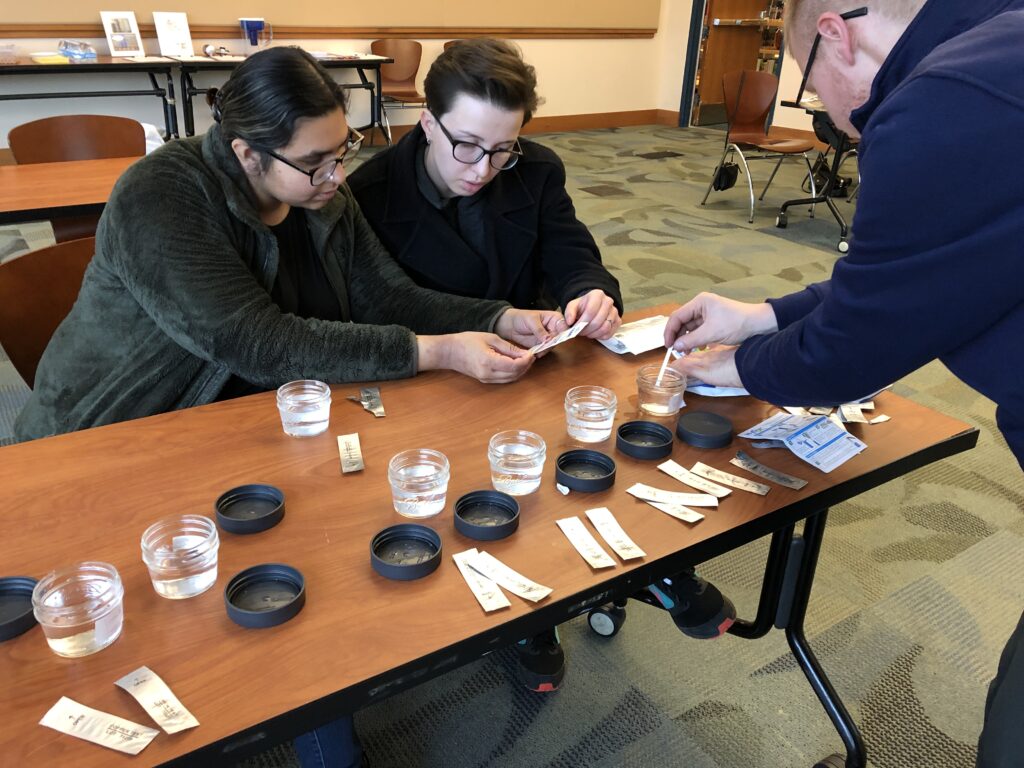
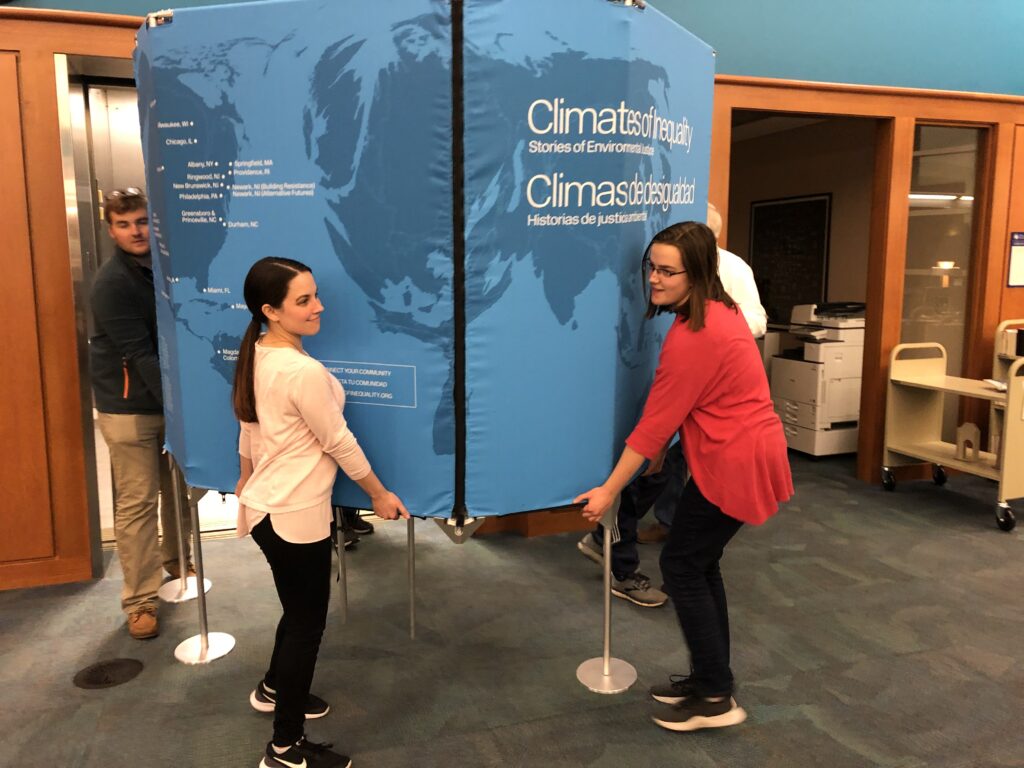
Toxic heritage collaborators have developed resources designed to engage students and public audiences with the history of environmental harm and its intersections with heritage and memory practices. They are designed to spur critical thinking, build skills and competencies, excite curiosity, and inspire action in response to pervasive environmental degradation, biodiversity loss, and climate emergency. They are relevant to scholars and students working across a range of disciplines including heritage studies, environmental humanities and sciences, archaeology, anthropology, geography, museum studies, political science, sociology, public history, and cultural studies.
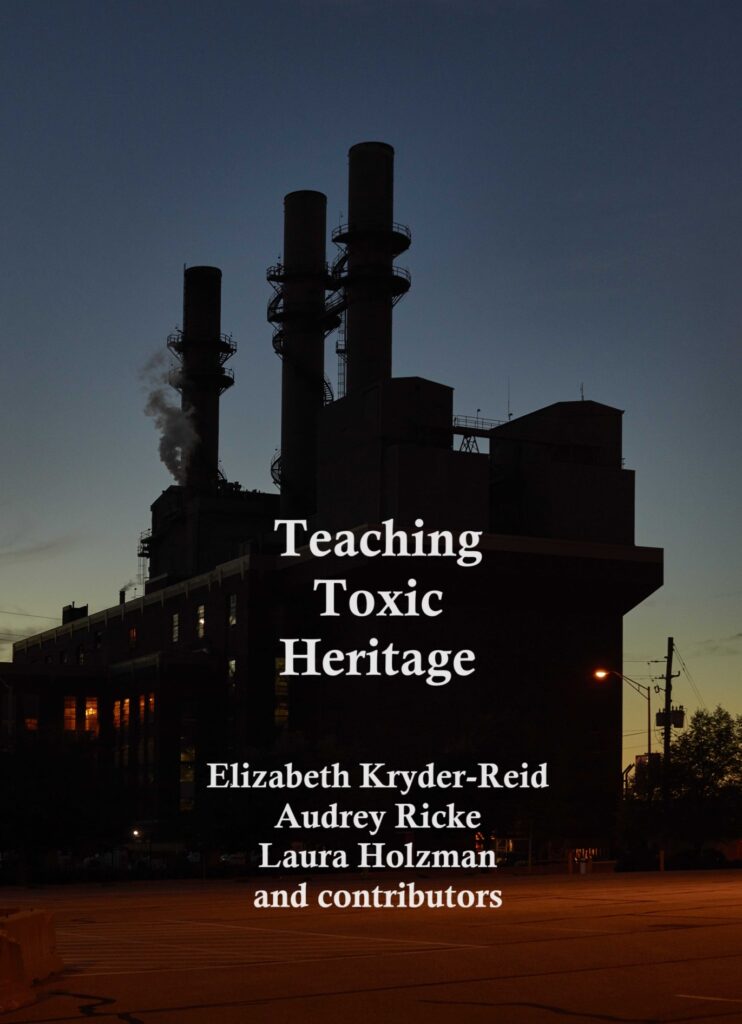
- Teaching Toxic Heritage, an open educational resource designed to support teaching and learning about issues of environmental harm and their intersection with formal and informal memory practices. The teaching guide is a companion to Toxic Heritage: Legacies, Futures, and Environmental Injustice, (Kryder-Reid and May, Routledge 2016), an open access collection of essays by authors working across the globe. At its heart is the belief that we can move toward a more sustainable future only if we understand the relationships of past and present — both how we got to this time of ecological crisis and how the past is deployed in contemporary exercises of power. The activities, lesson plans, projects, and supporting resources in Teaching Toxic Heritage are designed to spur critical thinking, build skills and competencies, excite curiosity, and inspire action in response to pervasive environmental degradation, biodiversity loss, and climate emergency. They are relevant to scholars and students working across a range of disciplines including heritage studies, environmental humanities and sciences, archaeology, anthropology, geography, museum studies, political science, sociology, public history, and cultural studies.(Teaching Toxic Heritage, Welcome).
- Scholarship of teaching about toxic heritage
- Elizabeth Kryder-Reid, Laura Holzman, Aghilah Nadaraj, and Leah Humphrey. 2022. “An Environmental Justice Lens on Indianapolis’ Urban Ecosystem: Collaborative Community Curation.” In The City is Ecosystem: Sustainable Education, Policy, and Practice. Edited by Deborah Mutnick, Margaret Cuonzo, Carole Griffiths, Timothy Leslie, Jay M. Shuttleworth. DOI: 10.4324/9781003217442-20
- Elizabeth Kryder-Reid, Gabriel Filippelli, with Phyllis Boyd, Paula Brooks, Aghilah Nadaraj, Alvin Sangsuwangul, Leah Humphrey. 2021. “EJ Stories: Exploring University-Community Collaborations.” Engage! Vol. 3 No. 1 https://journals.iupui.edu/index.php/ENGAGE/article/view/25724 DOI: https://doi.org/10.18060/25724
Teaching and learning about toxic heritage at Indiana University Indianapolis